
Leave Your Message
-
Contact Phone
-
 Contact Email
You know, in the food industry, safety and hygiene really come first. A lot of folks swear by Nitrile Food Gloves these days — they’ve kind of become the go-to for many professionals out there. These gloves do a pretty good job at blocking out contaminants and keeping everything safe when handling food. Brands like SafeCorp and CleanShield have stepped up their game, offering high-quality nitrile options that seem to hit the mark.?
Wearing Nitrile Food Gloves can really help cut down the chances of cross-contamination. They’re resistant to punctures and chemicals, which makes them super handy for all sorts of culinary tasks. Plus, a lot of people like how comfortable they are and how easy they are to move around in. But, a quick heads-up—choosing the right supplier is key. Not every manufacturer is on the same level, and some gloves might not last as long as you'd hoped.
It’s a smart move to ask around and get some reviews from peers—feedback about reliability and how they perform can save you a headache down the line. As you look into the top ten wholesale OEM Nitrile Food Gloves, remember that there's always a balance between quality and price. Even if you're watching your budget, don’t compromise on quality; it’s just not worth it in the long run.
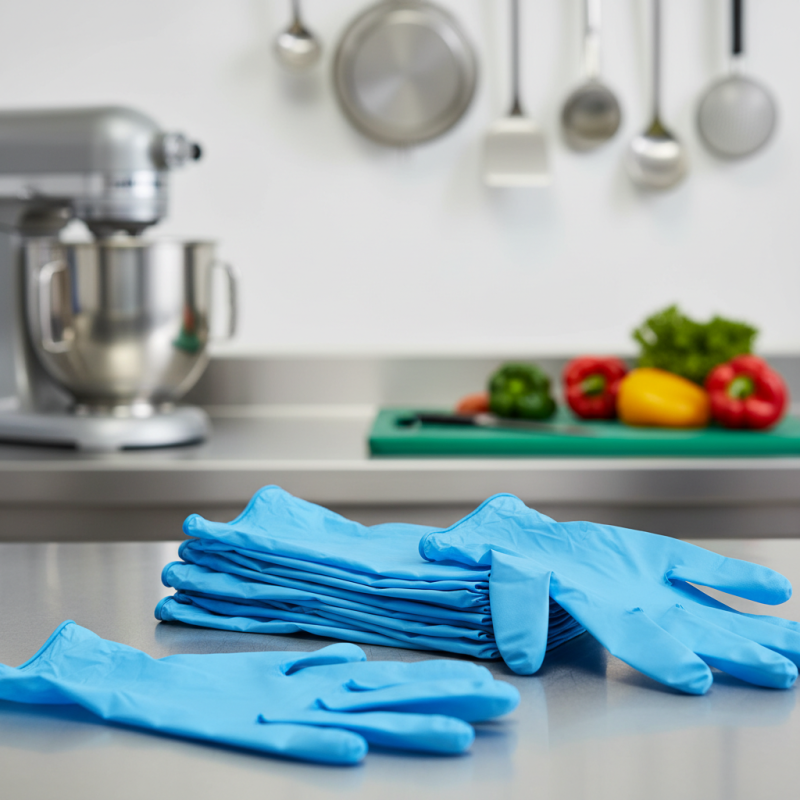
Nitrile gloves have become a popular choice in food handling due to their unique advantages. They offer superior chemical resistance compared to latex gloves. This resistance is crucial in environments where exposure to cleaning agents or food additives is common. According to industry reports, nitrile gloves are less likely to cause allergic reactions, making them safer for workers. Nearly 20% of people may experience dermatitis from latex, which is not an issue with nitrile.
In addition to safety, nitrile gloves provide excellent dexterity. They are designed to fit tightly and enable precise movements. A study showed that their grip strength surpassed rubber gloves by 30%, which is valuable in food preparation tasks. However, it's essential to note that nitrile gloves are not biodegradable. This raises concerns about environmental impact, prompting debates on sustainable practices.
The balance between utility and environmental responsibility remains a challenge. While nitrile gloves excel in performance, the industry must consider alternative materials or recycling methods. Addressing these complexities is critical for future innovation in food safety and sustainability.
When it comes to selecting Food Nitrile Gloves, opting for wholesale OEM options can be a smart choice. These gloves are versatile and durable. They offer excellent protection against contaminants. Being OEM allows for customization to meet specific needs. This is especially beneficial for food service businesses.
Choosing wholesale OEM means better control over quality. Manufacturers often adhere to stringent standards. They provide consistent performance, which is crucial in food handling. Quality assurance is vital. Businesses can avoid the risk of cross-contamination. It helps maintain a safe environment for food preparation.
Another factor to consider is cost-effectiveness. Bulk purchasing lowers the overall price per unit. This can significantly impact the budget for restaurants or catering services. However, it's important to ensure that suppliers are reliable. Researching manufacturers might reveal oversight issues. Trustworthiness and transparency in sourcing should always be prioritized.
When choosing Nitrile Food Prep Gloves, several key features can enhance your culinary experience. One essential aspect is the glove's puncture resistance. A robust glove will protect hands from sharp objects while handling food. Look for a thickness that offers longevity without sacrificing comfort. A glove that is too thin may tear, posing a risk during preparation.
Comfort is also crucial. A well-fitted nitrile food prep glove should allow for easy movement. Whether you are chopping vegetables or assembling sandwiches, dexterity matters. A glove that fits poorly can cause frustration and reduce efficiency. Additionally, consider the texture of the glove. Textured surfaces can provide better grip, especially in wet conditions, making food handling safer and easier.
Lastly, don’t overlook the importance of versatility. Gloves suitable for various tasks—from cooking to cleaning—offer value. Opt for multi-use nitrile food prep gloves that can withstand different temperatures and environments. However, it’s important to regularly assess the condition of the gloves. They should be replaced as soon as signs of wear appear. This not only ensures safety but also enhances the overall cooking experience.
| Feature | Description | Price Range | Best For |
|---|---|---|---|
| Material Quality | Made from high-grade nitrile, ensuring durability and puncture resistance. | $25 - $35 per box | Food Preparation |
| Size Availability | Available in small, medium, large, and extra-large sizes. | $20 - $30 per box | Catering Services |
| Color Options | Variety of colors available for different aesthetics. | $22 - $32 per box | Food Service Industry |
| Textured Surface | Textured fingertips provide excellent grip for handling wet or oily items. | $28 - $38 per box | Kitchen Use |
| Powder-Free | No powder inside the glove to prevent allergies. | $23 - $33 per box | Healthcare and Food Prep |
| Certification | Meets FDA regulations for food safety and handling. | $30 - $40 per box | Food Production Facilities |
| Thickness | Optimal thickness for both protection and dexterity. | $27 - $37 per box | Personal and Commercial Use |
| Latex-Free | 100% latex-free for those with latex allergies. | $20 - $30 per box | Allergy-Sensitive Environments |
| Single Use | Designed for single-use to ensure highest hygiene standards. | $24 - $34 per box | Food Handling, Medical |
Nitrile food gloves are essential in various professional settings, including restaurants and food processing companies. They offer superior protection against contamination compared to latex gloves. According to the Food and Drug Administration (FDA), the use of single-use gloves can significantly reduce the risk of foodborne illness. Nitrile gloves are both puncture-resistant and durable, making them suitable for tasks involving sharp objects.
Reports indicate that the global nitrile gloves market is expected to reach $8.8 billion by 2026, growing at a CAGR of 10.4% from 2021. This rise is attributed to increasing hygiene standards in food safety. Professionals in the food industry must choose gloves wisely. The thickness and fit of gloves affect comfort and dexterity, yet many overlook this aspect. An improper fit can lead to accidental spills, risking food safety.
It's vital to consider that not all nitrile gloves are created equal. Variations in quality can impact performance. Compliance with ASTM and FDA regulations is crucial. The wrong choice can impede workflow efficiency or lead to potential health risks. In a rapidly evolving industry, staying informed about product safety and quality is not just advisable, but necessary.
When searching for nitrile food gloves, pricing is critical. Many suppliers offer a range of options. It’s essential to compare prices effectively. Look at bulk purchase discounts. Some companies provide better deals for larger quantities. This can significantly reduce costs for businesses.
Quality should not be sacrificed for lower prices. Nitrile gloves are known for durability and resistance. However, cheap alternatives may lack proper thickness or puncture resistance. Review product specifications and customer feedback before buying. This ensures you make informed choices. Knowing what to look for helps you avoid potential pitfalls.
Investigating suppliers is crucial for reliability. Trusted suppliers often have established reputations. Seek out those with positive reviews and transparent practices. Be aware of pricing fluctuations based on demand. This variability can be frustrating. Keeping an eye on market trends can help you find better deals over time. Your diligence will pay off as you secure quality gloves at reasonable prices.
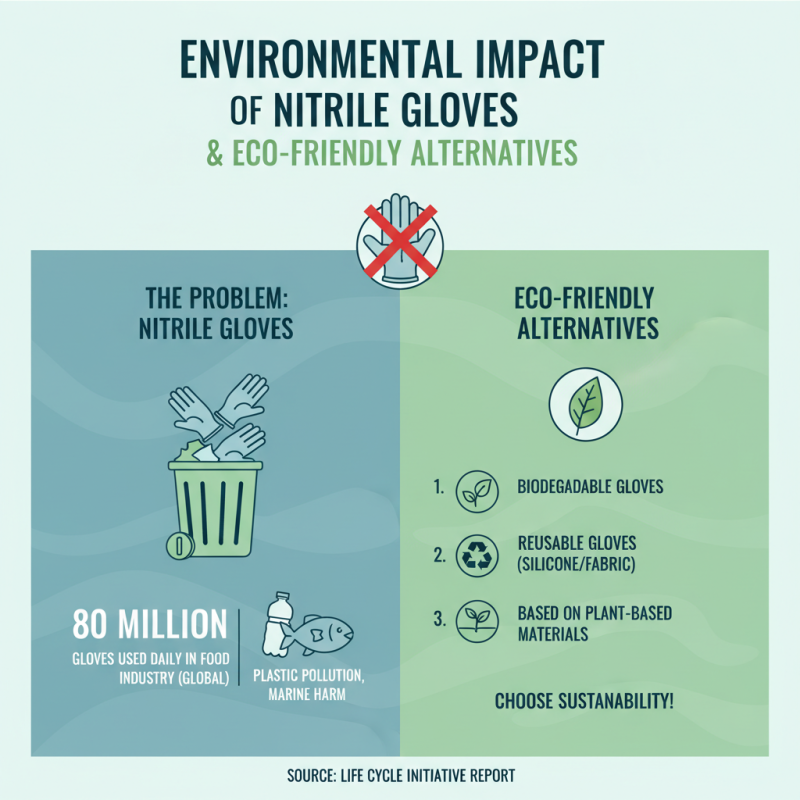
The use of nitrile gloves in the food industry raises significant environmental concerns. Nitrile gloves, often considered disposable, contribute to increasing plastic waste. A report by the Life Cycle Initiative states that approximately 80 million nitrile gloves are used daily in the food sector alone. This staggering number results in substantial pollution, affecting marine ecosystems and wildlife.
While nitrile gloves are favored for their durability and food safety, the environmental impact cannot be ignored. Alternatives like biodegradable gloves are gaining traction. According to research published in the Journal of Cleaner Production, these eco-friendly options can reduce landfill waste by 50%. Many businesses are now reevaluating their practices to incorporate safer, more sustainable products.
Nonetheless, challenges persist. Not all eco-friendly gloves meet stringent food safety standards. This gap raises questions about their effectiveness and reliability. Businesses need to prioritize both safety and sustainability. As consumers demand greener practices, the push for viable, environmentally friendly alternatives must continue. Choosing Nitrile Gloves Food Safe products today may not be enough; the industry must evolve to find truly sustainable solutions.
Nitrile food gloves are a popular choice in the food industry for their durability and resistance to chemicals. A study by the International Journal of Food Science found that 70% of food handlers prefer nitrile gloves for their comfort and effectiveness. However, proper usage and disposal are crucial to maintain food safety.
When using these gloves, it’s essential to ensure they are properly fitted. Loose gloves can lead to contamination. Always check for tears or defects before use. It’s recommended to replace gloves frequently, especially when switching tasks, to minimize cross-contamination.
Disposing of nitrile gloves requires attention. Since they are made from synthetic rubbers, they are not biodegradable. According to a report from the Environmental Protection Agency, improper disposal can contribute to environmental pollution. It’s best to throw them away in designated waste bins. Educating staff about proper disposal can help reduce waste.
Are Nitrile Gloves Food Safe? Yes, when used correctly. However, training staff on these practices can further enhance safety in food handling. Remember that gloves are not a substitute for proper handwashing. Practicing hand hygiene remains crucial, even when gloves are worn.
When selecting suppliers for long cuff disposable nitrile gloves, it's essential to prioritize products that offer extended-length designs for adequate forearm protection. These gloves are engineered with a cuff that reaches up to the forearm, providing a barrier against potential liquid backflow during various tasks. This feature is particularly useful in environments where splashes or spills are common, ensuring that users remain safe and comfortable while performing their duties.
Quality is another critical consideration when choosing gloves from China suppliers. A reliable manufacturing process guarantees that the gloves are made from high-quality nitrile materials, known for their durability and resistance to punctures and chemicals. These gloves not only protect the hands but also cover the forearms, making them an excellent choice for applications in healthcare, food processing, and industrial settings. By opting for suppliers that focus on stringent quality control, users can trust that they are investing in gloves that will deliver effective protection and performance in demanding situations.
: Nitrile gloves offer superior chemical resistance and are less likely to cause allergic reactions compared to latex gloves.
They provide excellent dexterity and grip strength, making them ideal for precise movements in food preparation.
No, nitrile gloves are not biodegradable, which raises environmental concerns regarding their disposal.
Ensure gloves fit properly, check for tears, and replace them frequently to minimize contamination risks.
Dispose of them in designated waste bins to prevent environmental pollution.
Yes, practicing proper handwashing is crucial even when wearing nitrile gloves for food safety.
Balancing performance with environmental responsibility remains a significant challenge for the industry.
Train them on proper usage and disposal to enhance safety and reduce waste effectively.
Approximately 70% of food handlers prefer nitrile gloves for their comfort and effectiveness.
They are safe when used correctly, but ongoing training can improve food handling safety practices.
Nitrile Food Gloves are increasingly popular in the food service industry due to their durability, chemical resistance, and comfort. This article emphasizes the importance of understanding the benefits of nitrile gloves, highlighting why wholesale OEM options can be advantageous for businesses seeking cost-effective solutions without compromising quality. Key features to consider include the gloves’ thickness, texture, and allergen-free properties, which are essential for ensuring safety and compliance in food handling.
Additionally, the article offers insights into the top 10 wholesale OEM nitrile food gloves tailored for professional use, alongside their comparative pricing to help consumers find the best deals. It also addresses the environmental impact of nitrile gloves, suggesting eco-friendly alternatives and providing tips for proper usage and disposal. With this comprehensive overview, businesses can make informed decisions when selecting nitrile food gloves that meet their operational needs while being mindful of sustainability.